
Bariatric Surgery Turkey
Endoscopic Weight Loss Procedures
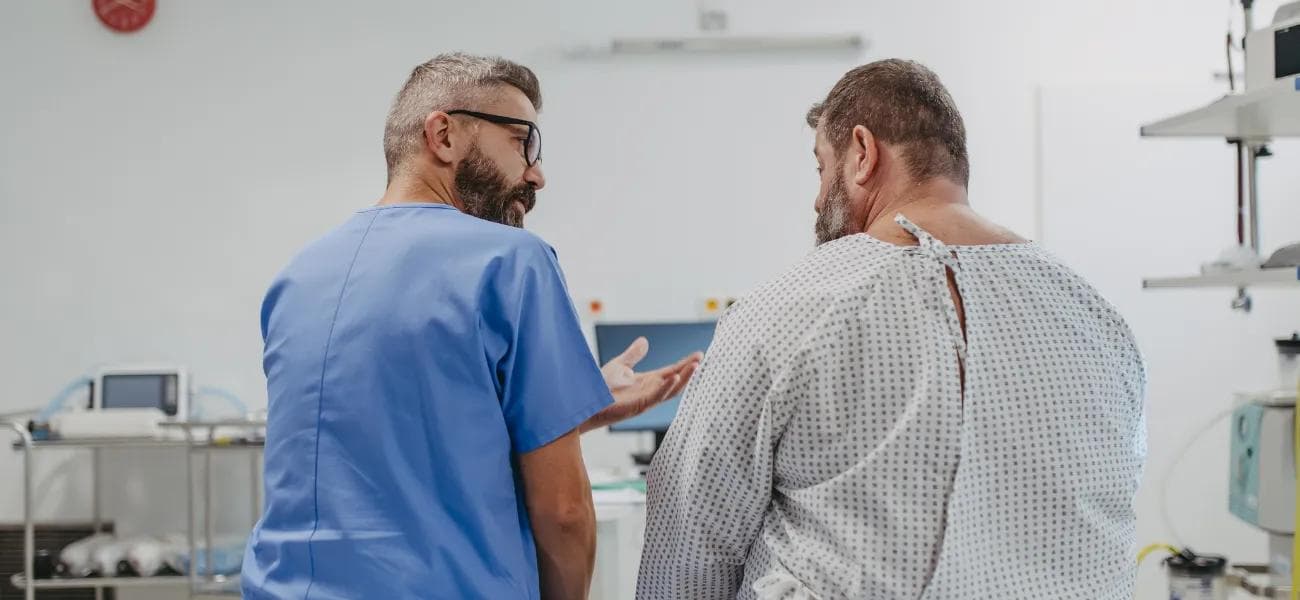
What are endoscopic methods?
Endoscopic methods used in the field of obesity and metabolic surgery are modern, less invasive treatment options applied to support weight management and help control certain metabolic problems associated with obesity. Compared to traditional open surgery, these procedures can be performed through smaller access points or, in some cases, through the digestive system via the mouth.
The technique used varies depending on the patient’s body mass index, current health status, eating habits, accompanying conditions, and any previous procedures. The goal is not only to promote weight loss, but also to create a treatment process that supports better appetite control, earlier satiety, and lifestyle change.
At Esthetic Antalya, endoscopic methods are approached as part of a personalized treatment plan evaluated individually for each patient. This allows decisions to be made based on both medical suitability and realistic expectations.
In which situations may they be preferred?
Endoscopic methods may not be suitable for everyone. For this reason, a detailed evaluation before the procedure is important. In some patients, these methods are considered as an alternative to surgery, while in other cases they may be planned as preparation before surgery or as support for previously applied treatments.
In general, they may be considered in the following situations:
- Increased health risks due to excess weight or obesity
- The presence of accompanying conditions such as type 2 diabetes, insulin resistance, hypertension, or metabolic syndrome
- Preference for a less invasive approach
- The patient being willing to adapt to lifestyle changes
- Being found to be a suitable candidate for an endoscopic procedure after specialist evaluation
The important point here is that the procedure should not be seen as a solution on its own. For lasting and healthy results, nutrition, physical activity, and regular medical follow-up are essential parts of the process.
How does the procedure process progress?
The treatment process begins with an initial consultation and a comprehensive evaluation. At this stage, the patient’s overall health is assessed, laboratory tests and any necessary imaging are planned. The patient’s expectations, daily lifestyle habits, and long-term goals are also taken into account.
The procedure process often includes the following steps:
- Specialist physician evaluation
- Completion of the necessary tests
- Determination of the appropriate endoscopic method
- Pre-procedure preparation and information
- Application under sedation or anesthesia
- Short-term observation and discharge planning
Depending on the type of procedure, the duration of the application and the need for hospital stay may vary. In many endoscopic interventions, the recovery process is more comfortable, and the return to daily life may be faster compared to traditional surgical methods. However, this is not the same for every patient; individual health status plays a determining role.
Possible benefits of endoscopic methods
When the right patient selection is made, endoscopic methods can offer various advantages. These advantages vary depending on the type of procedure and the patient’s adherence to treatment.
Commonly highlighted benefits include:
- A less invasive approach
- More limited impact on surrounding tissues
- Smaller incision scars, or no need for incisions in some procedures
- Earlier mobilization
- The potential for a quicker return to daily life
- Support for appetite control and portion management
- Providing medical support for the weight loss process
At the same time, every procedure has certain risks and limitations. Expected results depend on many factors, such as the patient’s metabolic profile, starting weight, eating habits, and adherence to the follow-up program. For this reason, the aim of treatment is to ensure safe and sustainable progress.
Recovery process and patient expectations
Although the recovery period varies depending on the method used, it generally progresses with a gradual nutrition plan. In the first days, a liquid-based diet may be recommended; this is followed by soft foods and then a normal diet as deemed appropriate by the physician. During this process, the goal is to help the stomach and digestive system adapt to the new condition.
The main points patients should pay attention to are:
- Following the nutrition plan recommended by the doctor
- Consuming adequate fluids
- Not missing follow-up appointments
- Avoiding sudden and intense physical exertion
- Continuing follow-up with a dietitian and relevant specialists when necessary
Realistic patient expectations are very important for treatment success. Endoscopic methods can be effective tools that support weight loss; however, maintaining the results largely depends on lifestyle change. At Esthetic Antalya, this process is not seen as limited to the day of the procedure alone; pre-procedure evaluation, post-procedure follow-up, and patient education are handled as a whole. This approach is important both for a safe treatment experience and for progressing more consciously toward long-term health goals.
Why Choose Us?
Services


Free Consultation Form
Fill out the form to receive personalized recommendations from our experienced doctors.