
Aesthetic Surgery
Rhinoplasty Surgery
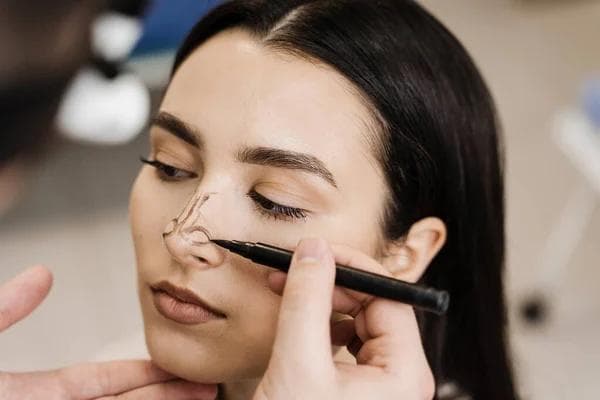
What Is Nose Aesthetics (Rhinoplasty)?
Nose aesthetics is a surgical procedure that aims to make the nose appear more harmonious with the facial features. With rhinoplasty, changes such as correcting a nasal hump, reshaping the nasal tip, reconstructing the nasal bridge, or adjusting the width of the nostrils can be planned. In some patients, structural issues that may contribute to breathing problems can also be evaluated in addition to aesthetic adjustments.
The goal of this surgery is not only to change the appearance of the nose, but also to achieve a natural result that preserves the overall balance of the face. Since every nose structure is different, rhinoplasty is planned individually. Facial proportions, skin structure, existing anatomical features, and the patient’s expectations are evaluated together.
At Esthetic Antalya, the rhinoplasty process is approached with careful evaluation from both aesthetic and functional perspectives. In this way, the treatment plan is created in line with the individual’s needs and realistic expectations.
In Which Situations Is Rhinoplasty Preferred?
Rhinoplasty may be preferred by people who are not satisfied with the appearance of their nose or who feel they cannot breathe comfortably due to certain structural problems. The most common reasons for seeking treatment include:
- A prominent nasal hump
- A drooping, wide, or asymmetrical nasal tip
- The nose being perceived as too large or too small in proportion to the face
- Irregularity on the nasal bridge
- Wide nostrils
- Deformity of the nose after trauma
- In some patients, functional complaints related to structural issues such as a deviated septum
To be a suitable candidate for rhinoplasty, it is important to be in good general health and to have realistic expectations. During the preoperative examination, it should be clearly discussed what the procedure can change and within what limits planning can be made.
How Does the Procedure Process Progress?
The rhinoplasty process begins with a detailed preoperative evaluation. At this stage, the external appearance of the nose, its internal structure, breathing function, and the overall proportions of the face are examined. The patient’s concerns and expectations are listened to, and then a medically safe plan is created accordingly.
The surgery is generally performed under general anesthesia. Depending on the need, either the open or closed rhinoplasty technique may be preferred. The technique to be used is determined according to the extent of the changes to be made, the nasal anatomy, and the surgeon’s evaluation.
During the operation, adjustments may be made in the following areas:
- Reshaping the bone and cartilage structures
- Correcting the nasal hump
- Refining or lifting the nasal tip
- Making the nasal bridge more balanced
- Supporting functional problems when necessary
After the procedure, an external splint or a thin support may be applied to protect the nose. The patient’s condition is closely monitored, and the discharge plan is arranged accordingly.
Recovery Process and Results
In the first days after rhinoplasty, mild to moderate swelling, bruising, and a feeling of fullness in the nose may be seen. This is generally part of the expected healing process. Especially around the eyes, swelling may be more noticeable during the first week and then gradually begin to decrease.
Common general steps during the recovery process include:
- The external splint is removed in most patients after approximately 1 week
- A return to light daily activities may be possible within a short time
- Medical approval should be awaited before more intense exercise and activities with a risk of impact
- It takes time for the nose to take its final shape; complete resolution of swelling may take several months
Although the initial changes in rhinoplasty may be noticed early, the final result should be evaluated patiently. In particular, fine contouring in the nasal tip area may appear later. For this reason, it is important for patients to follow their doctor’s recommendations and attend regular follow-up visits throughout the process.
Benefits of Rhinoplasty and Patient Expectations
Rhinoplasty can make the overall expression of the face more balanced and increase the person’s satisfaction with their appearance. In some patients, functional corrections may also improve breathing comfort. However, every rhinoplasty surgery produces different results depending on the patient’s anatomy.
For this reason, setting the right expectations is very important. Rather than creating a “perfect” nose, rhinoplasty aims for an appearance that naturally harmonizes with the person’s face. The most successful results are generally those that do not look artificial from the outside and preserve the identity of the face.
At Esthetic Antalya, rhinoplasty planning is carried out on the basis of transparent communication and a personalized approach. From the initial consultation to postoperative follow-up, patient safety, comfort, and informed decision-making are prioritized at every stage. For patients seeking a high-quality experience in aesthetic surgery and medical tourism in Antalya, this process is supported by a professional and attentive standard of care.
Why Choose Us?






Free Consultation Form
Fill out the form to receive personalized recommendations from our experienced doctors.